Last updated 2026-10-23 · Divya Luxury Foods
Seafood is often one of the most expensive lines on a restaurant or hotel purchase sheet, and one of the least forgiving. A poor delivery can mean wasted stock, an unhappy guest and a menu item you can't serve. These are the questions worth asking before you commit to any supplier — including us.
1. How is the cold chain maintained?
Frozen seafood keeps its quality only if it stays frozen from the processor to your freezer. Ask where the supplier stores stock, whether they own or rent that cold storage, how temperature is monitored, and how products are kept cold during delivery. Frozen food is generally held at −18 °C or colder; ask your supplier what they maintain.
Warning signs on delivery: soft packs, frost or ice crystals inside the pack, stuck-together IQF pieces, or discoloured, dried-out patches (freezer burn). All suggest the product may have partially thawed at some point.
2. Is shelf life checked before dispatch?
Ask whether every order is checked for production and expiry dates before it leaves the warehouse, and what the supplier does with short-dated stock. Make checking dates part of your own receiving routine too.
3. Are specifications clear?
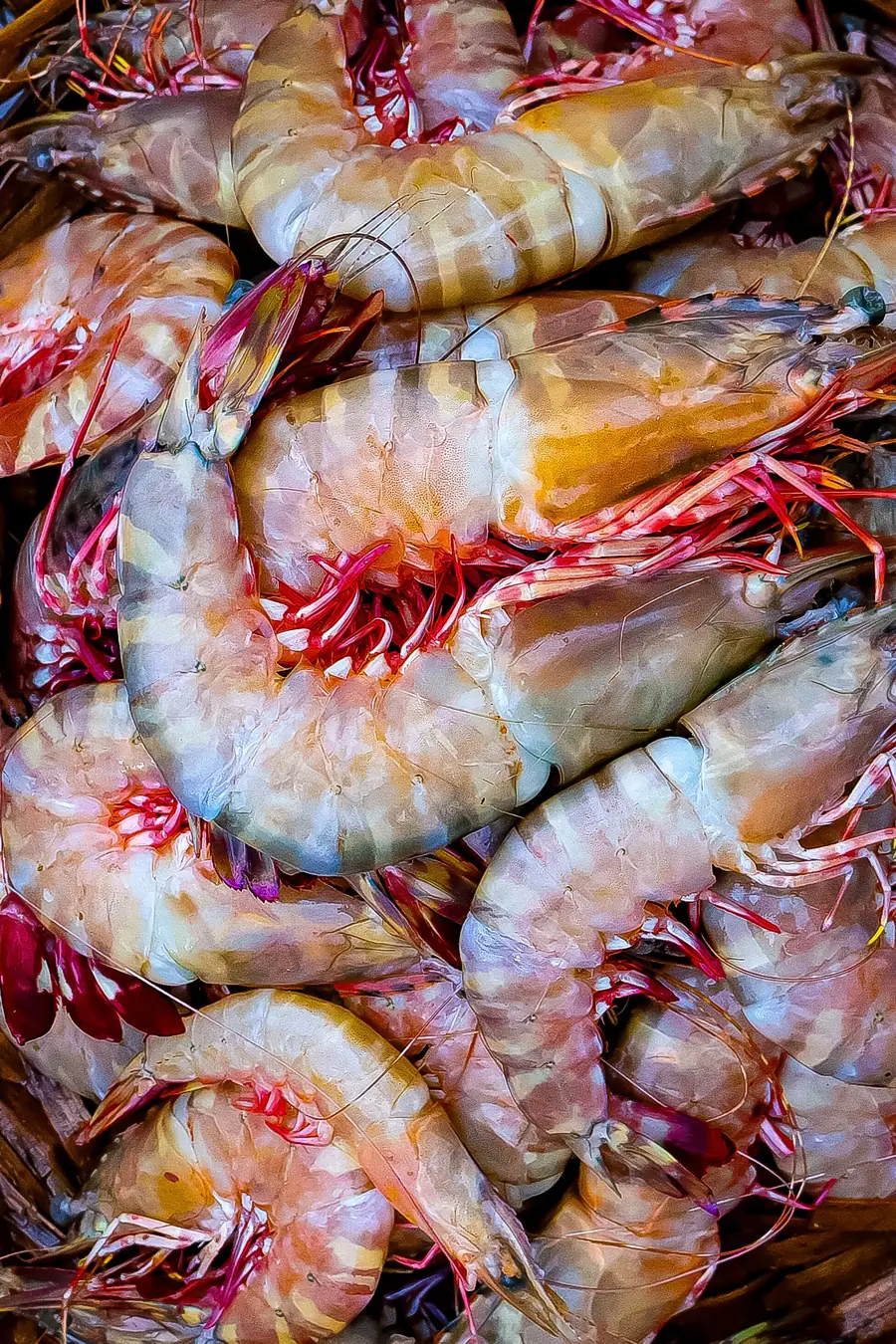
"Prawns" can mean dozens of different products. A good supplier will specify:
- Count or size — e.g. prawns per kg or per lb (a lower number means bigger prawns).
- Format — head-on, headless shell-on, peeled, peeled and deveined, tail-on or tail-off.
- Freezing method — IQF (individually quick frozen) or block frozen.
- Glazing — the protective ice layer added to frozen seafood. Ask whether the price is for gross weight or net (de-glazed) weight; it makes a real difference to your cost per portion.
- Origin and species — useful for menu descriptions and for consistency between deliveries.
4. How is product stored and segregated?
If your kitchen has vegetarian guests or menus, ask whether vegetarian and non-vegetarian products are stored and handled separately.
5. Can they supply more than one category?
Kitchens serving Japanese, pan-Asian or continental menus often need seafood, sauces, rice, noodles, cheese and other imported items. A supplier that covers several categories can reduce the number of vendors, deliveries and invoices your team manages.
6. What happens when something goes wrong?
Ask how quality complaints are handled, how quickly you should report an issue (with photos, batch details and invoice number), and who your point of contact is. Responsive customer care matters more than any brochure.
7. Documentation and compliance
Food businesses in India should ask suppliers for their FSSAI licence and GST details, and keep invoices that show product descriptions and batch information. For imported products, ask about labelling and import documentation.
Quick receiving checklist
| Check | What to look for |
|---|---|
| Temperature | Packs frozen solid; no signs of thawing and refreezing |
| Dates | Production and expiry dates legible and acceptable |
| Specification | Count, format and pack size match the order |
| Packaging | Intact, sealed, clearly labelled |
| Storage | Moved into your freezer immediately after checking |
Talk to us
Divya Luxury Foods Pvt. Ltd. supplies frozen seafood and imported foods to hospitality businesses from our own cold storage in New Delhi, with shelf life checked on every dispatch. Request a quote or see our seafood range.